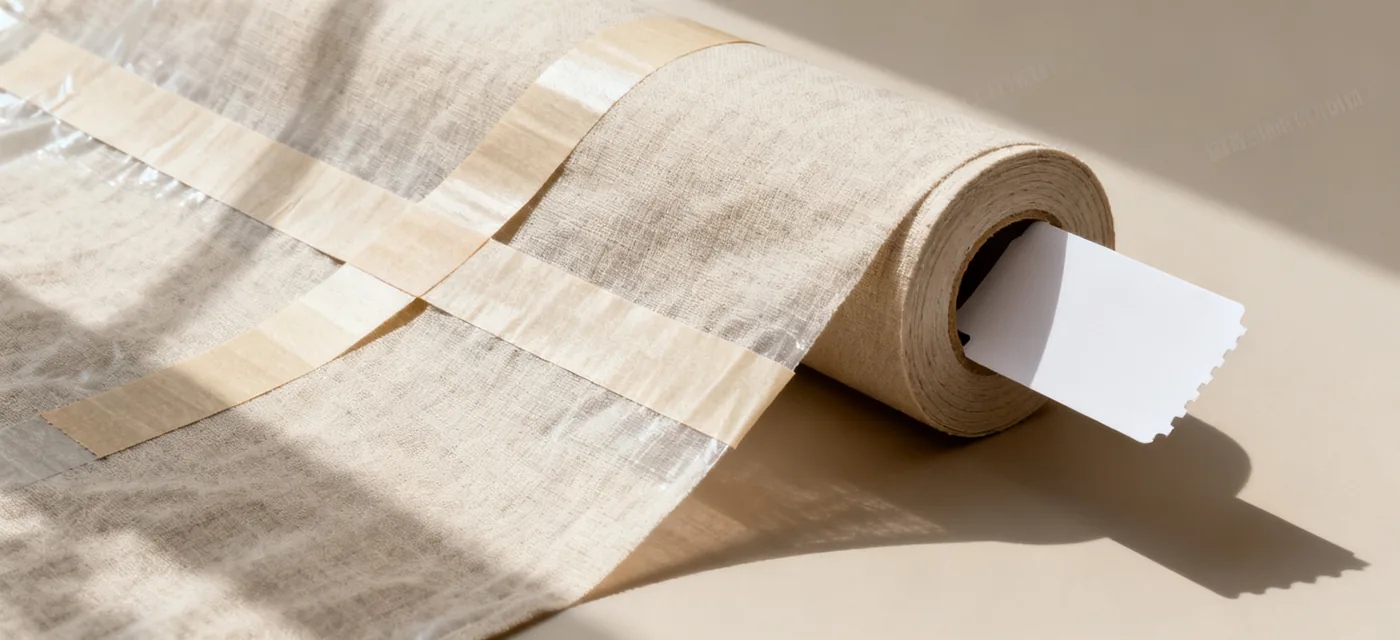
Start with an approval reference
A usable quality discussion begins with one agreed material reference. Fiber composition, weave construction, usable width, and finish should be written together so a later cutting is judged against the same object. Two textiles with the same nominal mass can differ in handle, pilling, and surface appearance because the yarn and the finish differ. Warp and weft balance, or a knit structure, belongs in that description when you know it.
For protective industrial cloth, add the property you intend to hold constant: heat behaviour, cut context, or surface wear. For outdoor performance cloth, add the exposure you intend to hold constant: light, rain, or flex. Do not let a Sunbrella decorative reference stand in for either lane unless the physical cloth is actually that construction and the document scope says so.
Separate the stages
A development sample, a colour reference, and cloth from a proposed shipment answer different questions. Name the stage before you call a difference a failure. Record the requested change, such as a softer face or a tighter shade band, and keep the approved reference with the notes. This handoff does not promise that every later lot was made under identical conditions.
Lab dips are colour conversations. They are not bulk cloth. A shade band is a range around an agreed standard, not a single spectrophotometer printout unless that instrument protocol was part of the agreement. If the next step is a wear check, switch documents: abrasion resistance and handfeel are the dispute to keep open. A harsher face can survive more cycles and still be wrong for the wearer or the cover.
Read variation in context
Discuss shade, dimensional behaviour, and surface appearance with an applicable method or an agreed physical review. Lighting, specimen conditioning, and finishing state change the comparison. A single number cannot explain every visible difference across a roll. Ask which reference is appropriate before a variation is called acceptable.
Width tolerance and GSM tolerance are commercial agreements once a method exists. Until then they are targets. Selvedge is not usable width. Piece-to-piece length is a roll inspection topic, not a shade topic. Colorfastness, when it is relevant, needs its own method and exposure, especially for outdoor cloth, and it does not replace a side-by-side shade approval under the light you actually use.
Keep order information connected
Quantity, destination, and requested timing define the order conversation. The sample reference defines the material conversation. Keep them linked and do not substitute one for the other. A general website sentence does not set a batch acceptance rule. Confirm the rule through the inquiry and the approval note for that order.
Batch traceability, when you need it, is the identifier that ties the approved cutting to the proposed shipment. Ask for that link. Do not assume this site stores mill tickets or operates a certified chain. If packing is a roll, ask how the roll is marked. If the format is a cut length or another package, ask for that identification instead. Unknown lead time stays unknown.