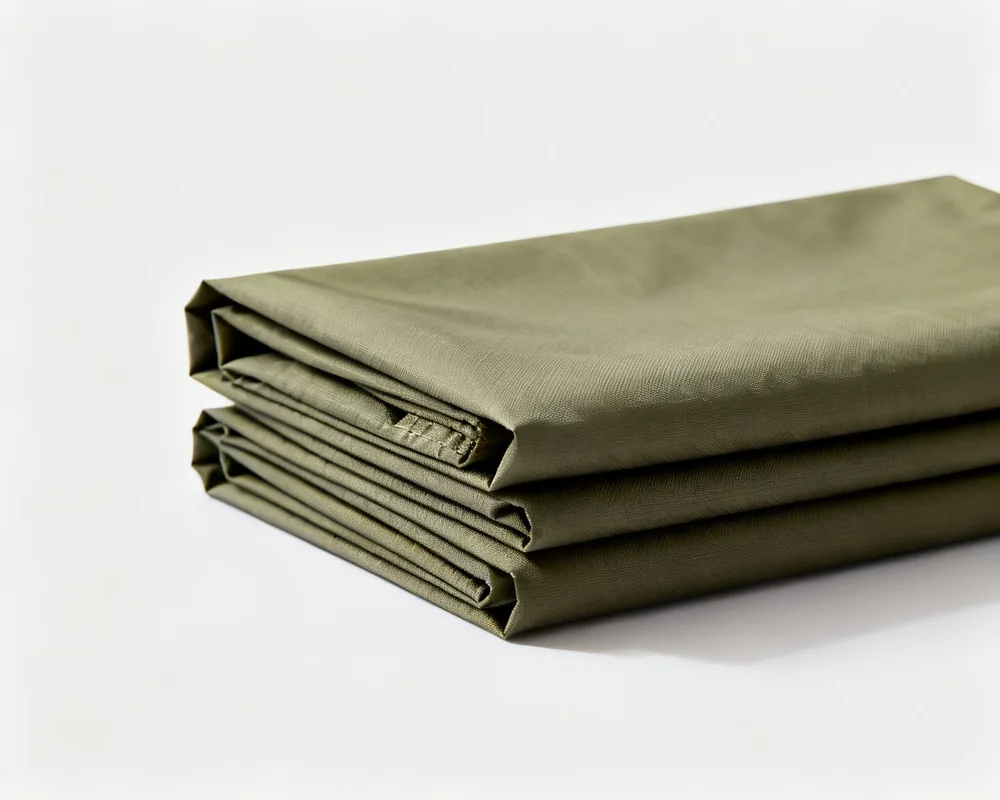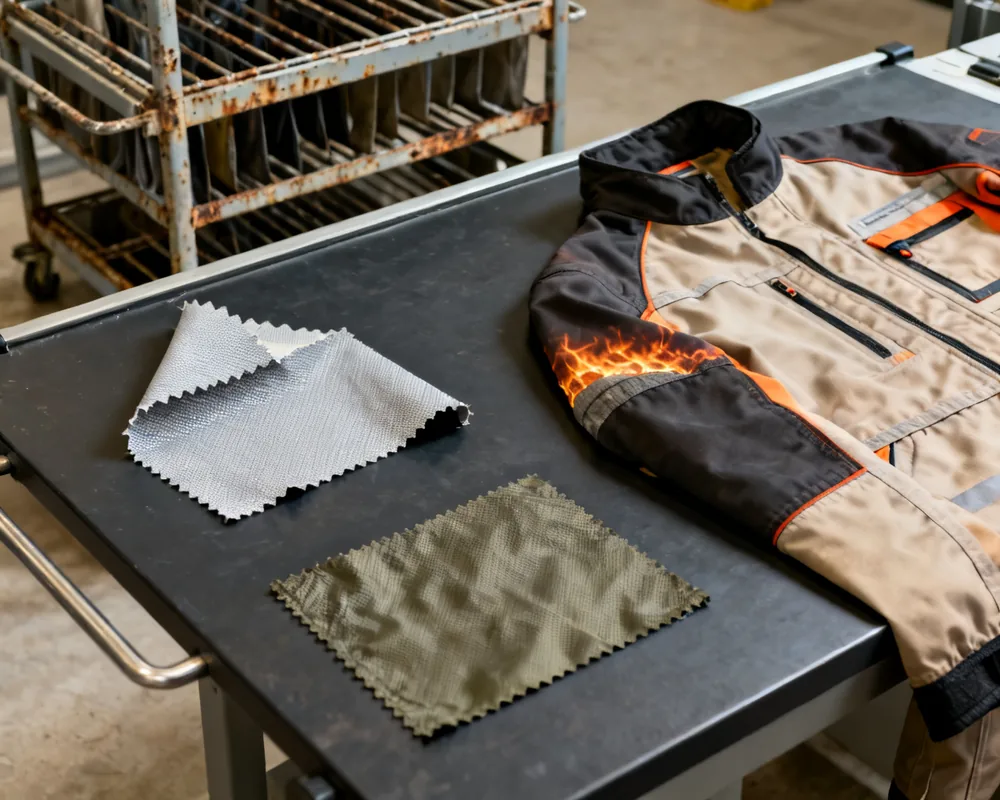
unbranded protective fabric swatch held against an outdoor exposure rack and a heat-resistant workwear shell

Glen Raven — Begin with the use

State the exposure, contact, or assembly condition before naming a cloth. Protective industrial textiles and outdoor performance fabrics answer different stresses, even when a search also pairs Glen Raven with the Sunbrella material name.

Open a protection brief

Material scope

folded outdoor performance fabric sample without branding
Outdoor performance cloth: weather, cover, and wear questions.
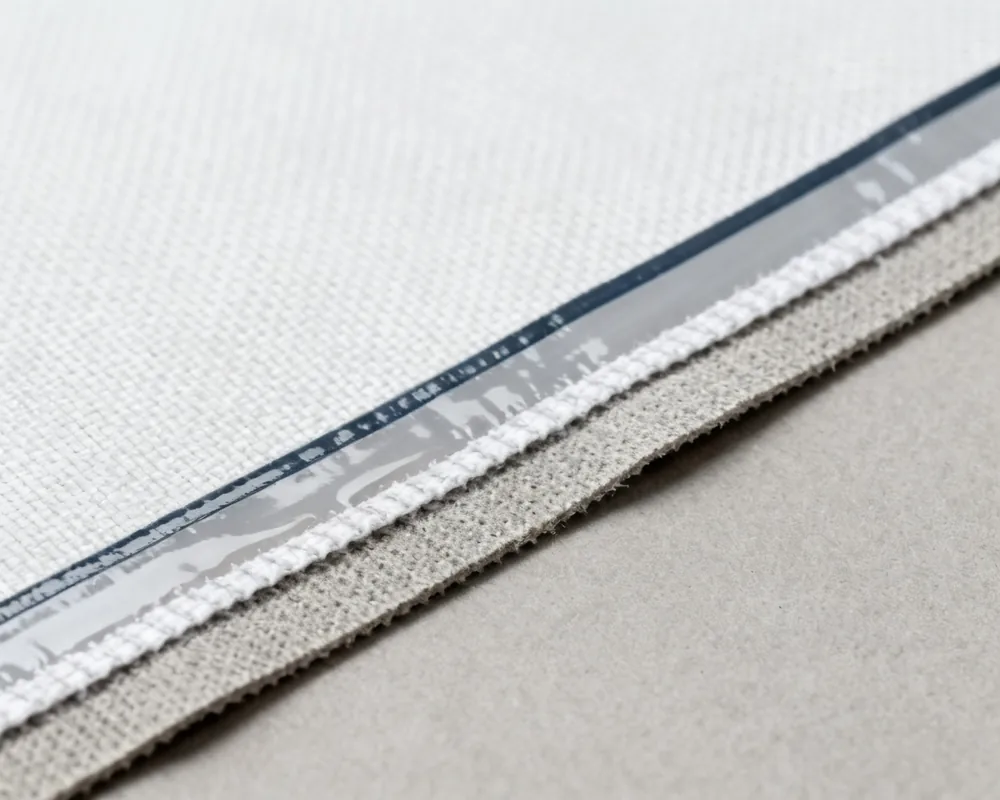
close view of a protective textile edge and backing
Protective industrial cloth: heat, cut, and assembly questions.
Open the material scope

Sampling approval gates

Treat sampling as a sequence of questions, not a promise that a development cutting, a shade reference, and a bulk roll are the same material state. Stock selection and custom development split here: a dated lot can be checked for continuity, while a development route needs a written change and a later approval gate.

Information handoff, not a delivery guarantee
Gate Buyer reference Discussion output
Brief Fiber composition, construction, and the industrial or outdoor use A single sample question, such as hand, shade, or a named wear method
Shade Lab dip, physical standard, or shade band the cutter will judge against The light and viewing condition for the physical review
Bulk context Quantity, destination, and whether the supply format is a roll, a cut length, or another package Order-specific confirmation, kept separate from the sample note

Technical information routes

A fiber brand name, including pairings such as glen raven sunbrella, is a search clue. It is not a certificate and it does not move a test result from one construction to another. Ask for the document that matches the cloth in front of you.

Match the application

These routes are selection contexts, not completed customer installations. Protective markets and outdoor covers share a portfolio name and still need different evidence.

Fabric selection questions

  1. Why is GSM not enough?

    Mass per unit area does not fix weave construction, yarn count, or finish. Two outdoor cloths at a similar GSM can differ in air permeability, stretch recovery, and seam slippage once they are cut and joined. Record GSM with a tolerance only after the specimen and method are named. Until then it is a target, not a measured result for this portfolio.

  2. How should I describe a sample?

    Send the composition reference, the construction, the usable width if you know it, and the intended use. Add the shade context, such as a lab dip or a retained cutting, and say whether the finish is a coating, a laminate, or neither. For protective cloth, state the hazard you are discussing, such as heat or cut exposure, without treating a generic flame-retardant label as a global claim.

  3. Can test results be compared directly?

    Only after method, specimen state, and scope match. Water resistance and moisture transmission describe different properties. Abrasion and handfeel also pull in opposite directions: a higher wear reading can come with a harsher face, so a comfort decision still needs a physical sample. Do not transfer a Sunbrella home or decorative outdoor result onto an industrial protection brief.

Define the development question

Write what the current construction fails to do in the real use, and which review will decide the next cutting. A change in face, coating, or backing is a different question from a shade adjustment.

What needs to change in the cloth, and which sample or method will review it?
Send the development gate